
Container Shipping
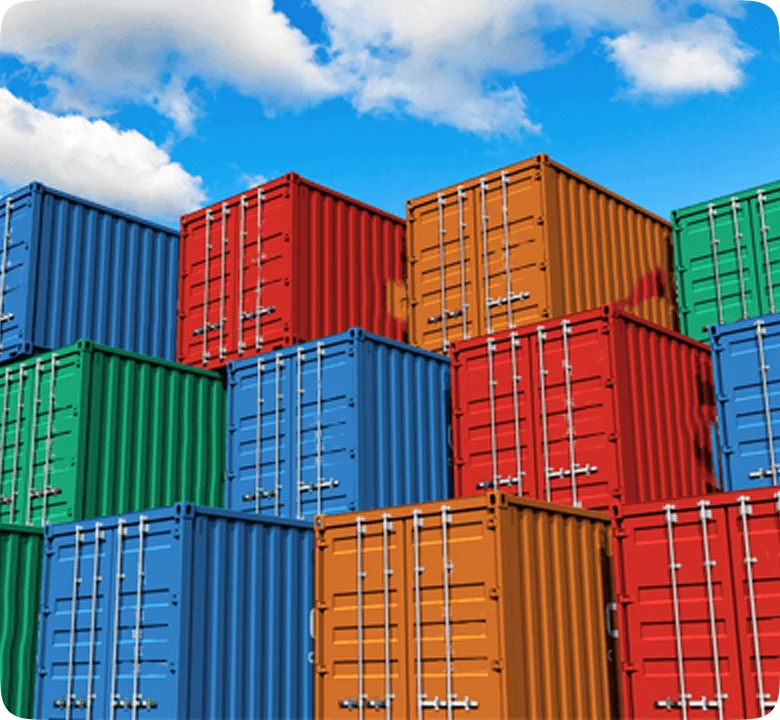
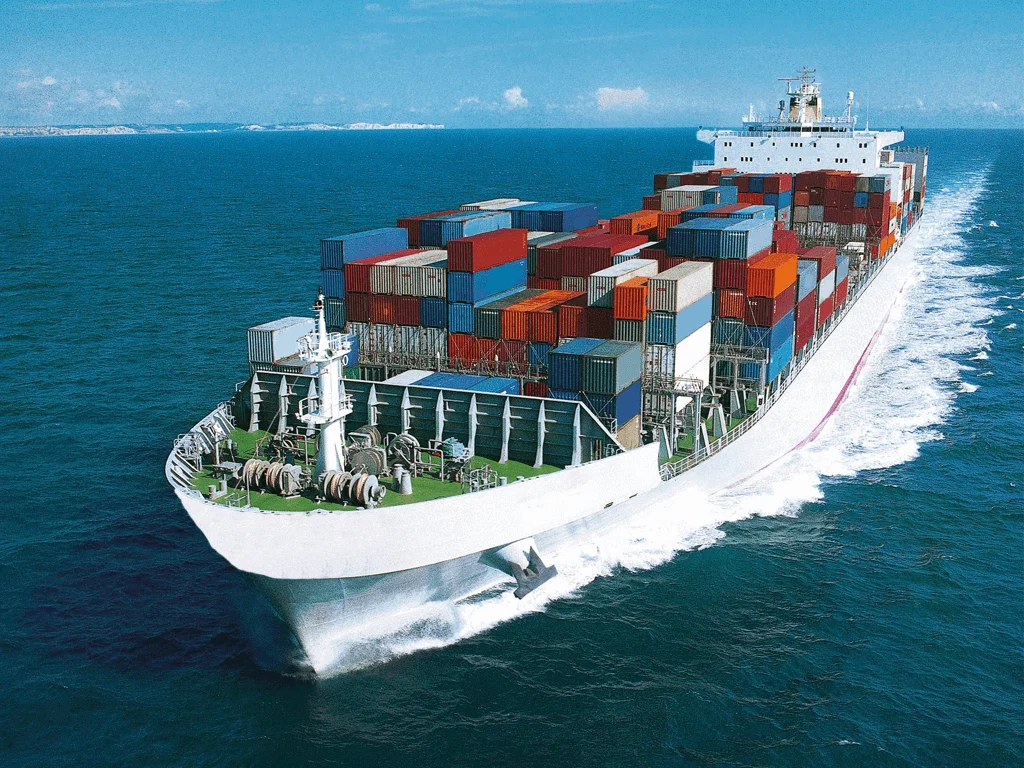
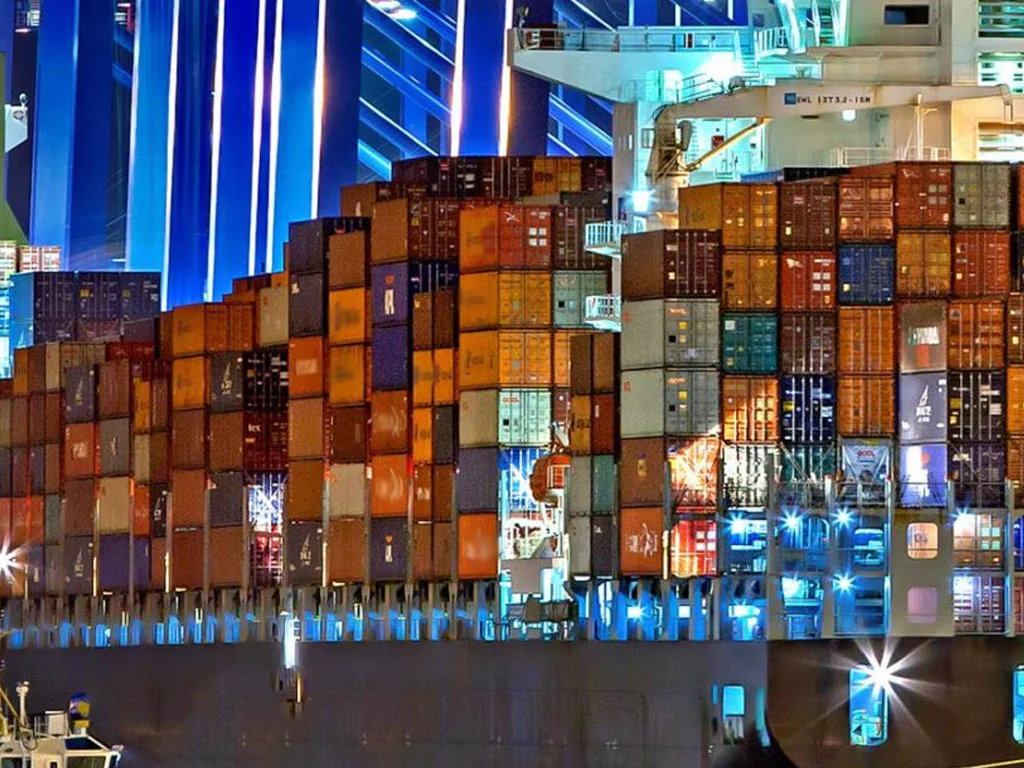
Looking for a reliable container shipment service for the export of all kinds of goods from various ports in Japan to global destinations? Look no further! Our top-ranked cargo shipping services provide efficient and reliable solutions for all your shipping needs. With a strong emphasis on reliable cargo container transport and cost-effective cargo freight services, we ensure seamless drayage and shipment of containerized goods worldwide.
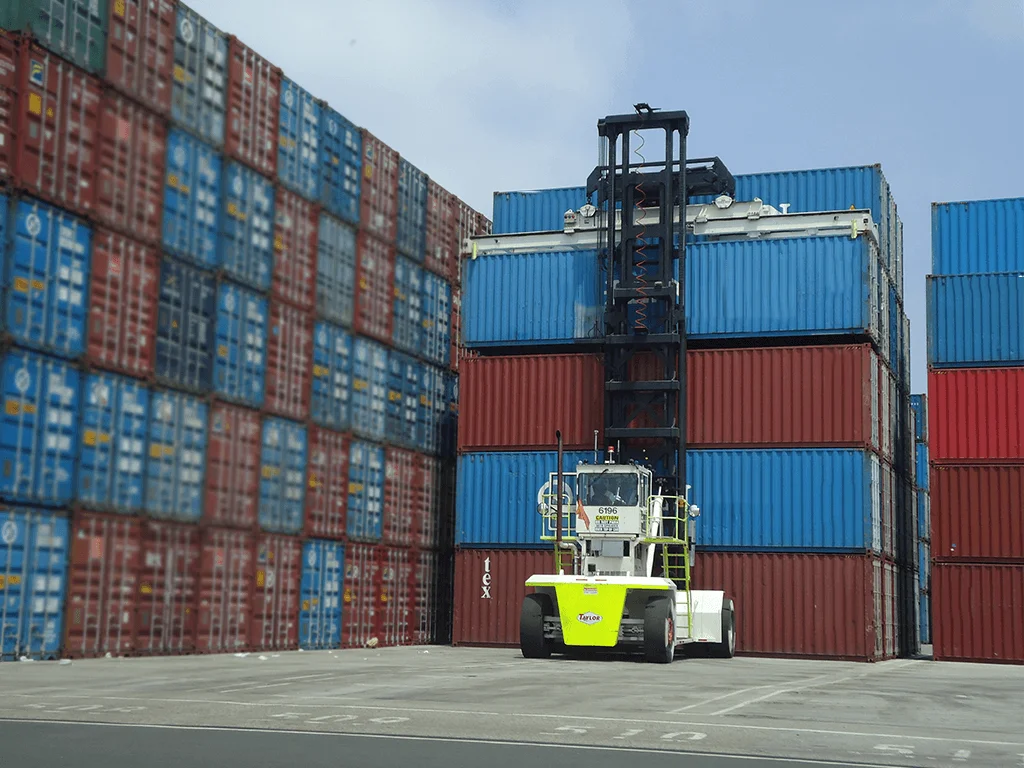
With a wide range of container options including 45’GP, 40‘/20 standard or high cubic along with Open Top containers, Flat rack for out of gauge cargo and Felix tank etc, FWT can cater to all our containerization needs.
Available Port for Shipment
FWT Logistics offers Container shipments from the following ports.Hitachinaka, Yokohama, Osaka, Nagoya, Kobe, Hakata.
Main Shipping Lines
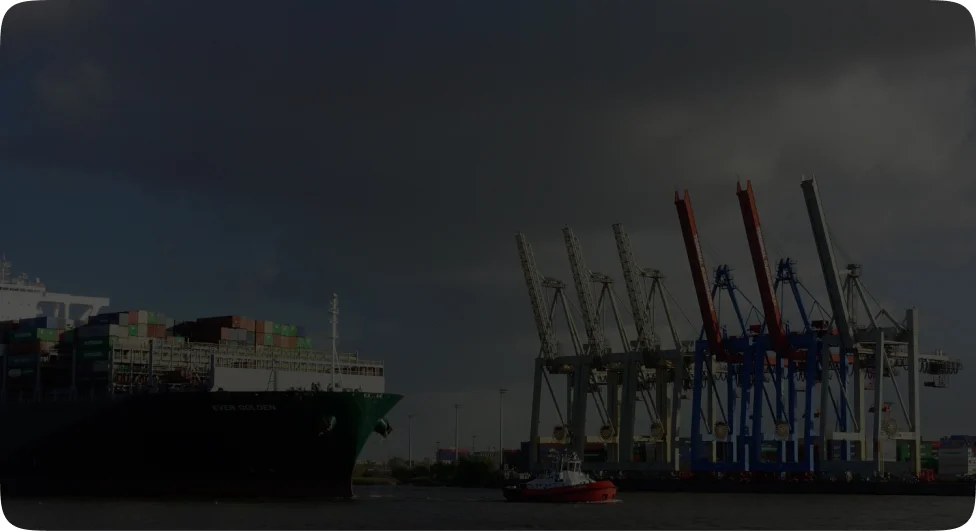
FWT Logistics deals with the following shipping lines.APM-Maersk, MSC, COSCO, CMA-CGM, ONE, OOCL, Evergreen Line, Wan Hai, APL and Others
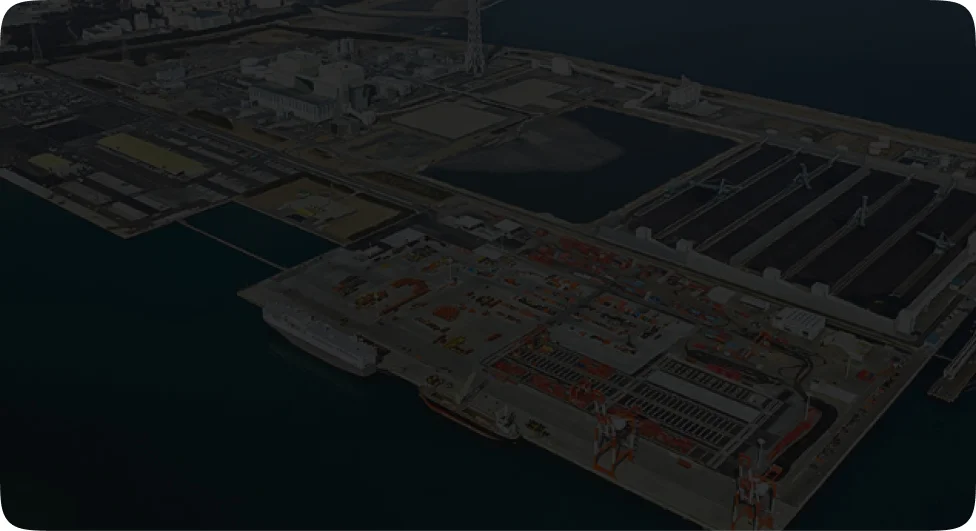
Hitachinaka Container Terminal
〒: 311-1201 IBARAKI-KEN HITACHINAKA-SHI, AJIGAURA-CHO, KAMIGASUNA, 1543-1. TEL: +81-46-236-1660 (View Map)
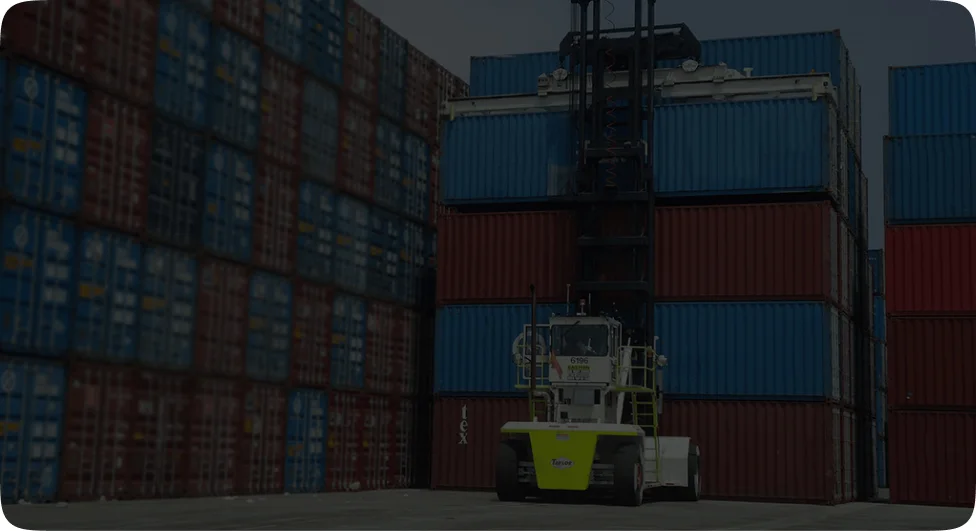
FWT Sashima Container Vanning Yard
〒: 1115-12 Uchikado, Sakai, Sashima District, Ibaraki 306-0414, Japan (View Map)
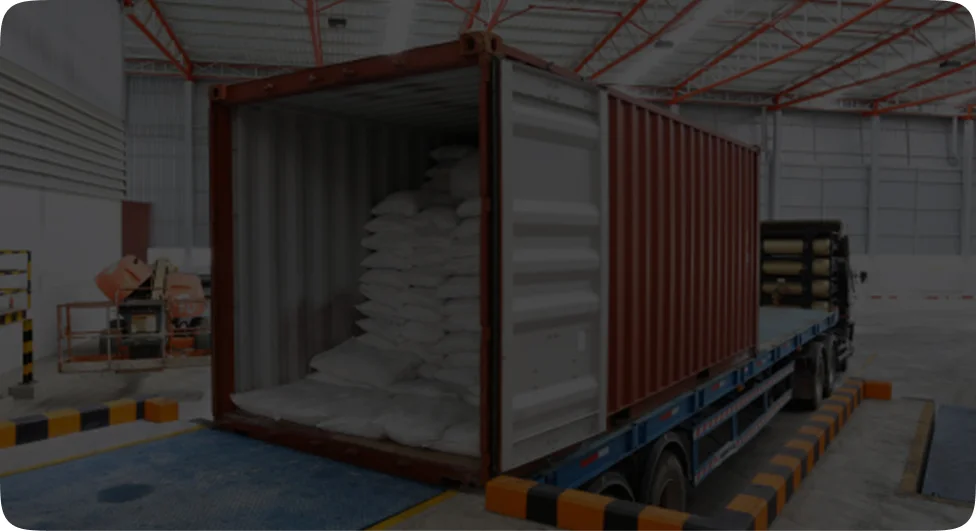
FWT Shiomi Container Vanning Yard
〒: 109 Shiomicho, Izumiotsu, Osaka 595-0054, Japan (View Map)
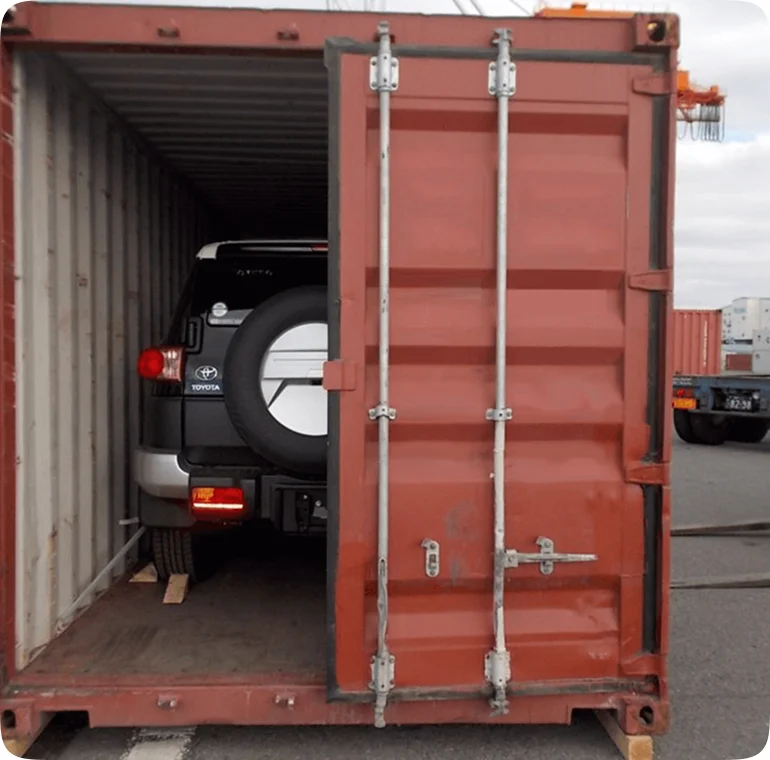
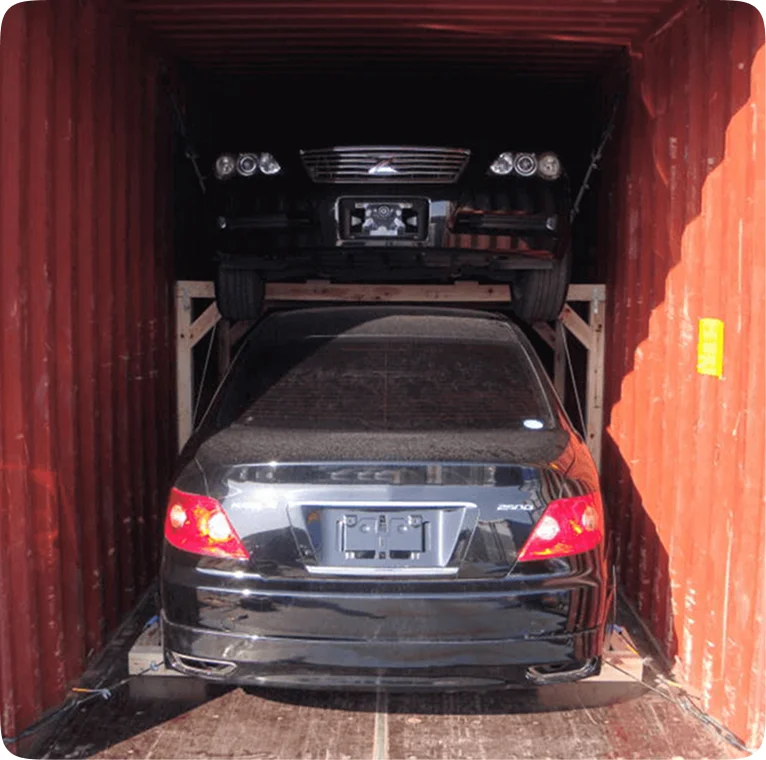
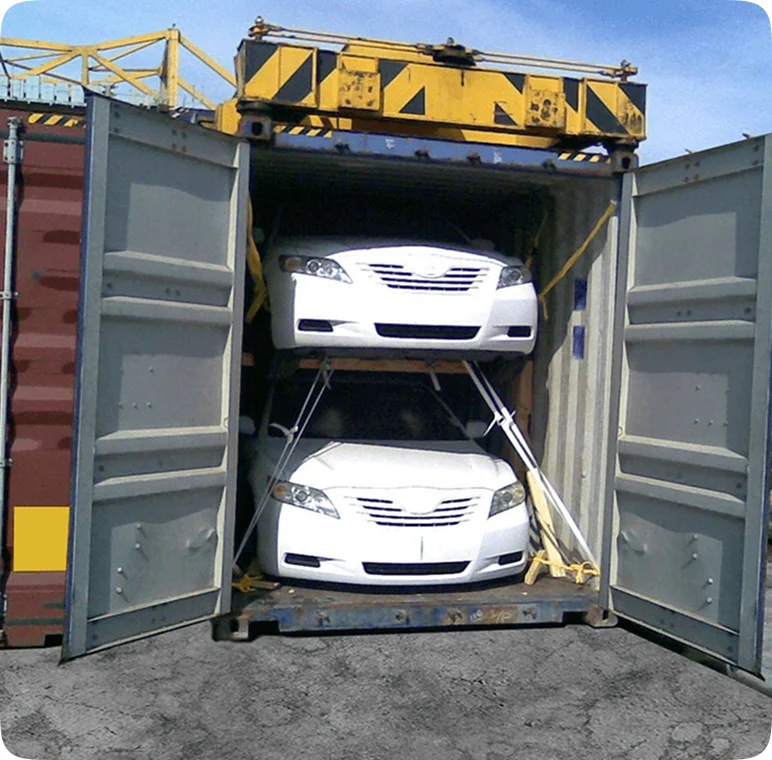
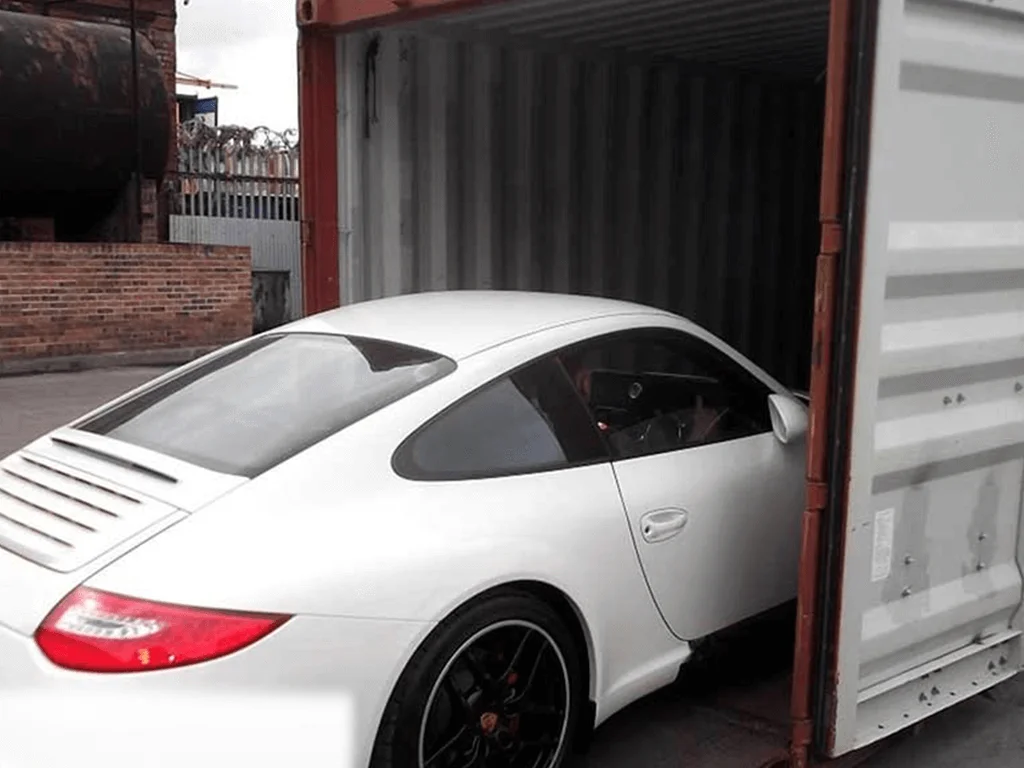
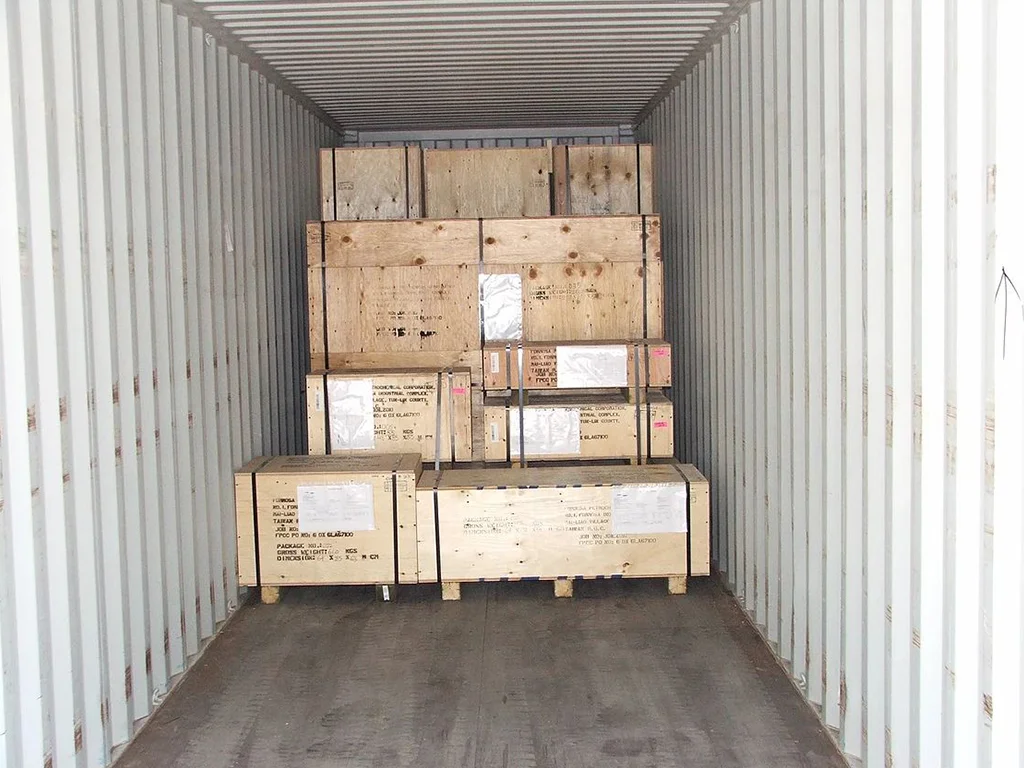
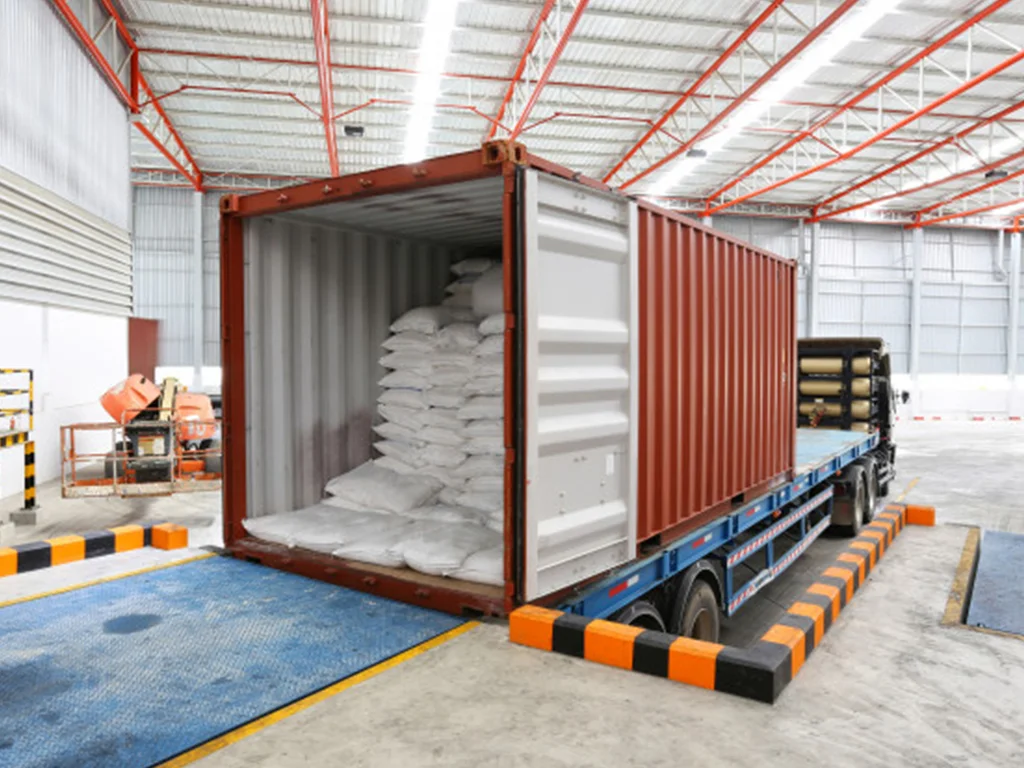
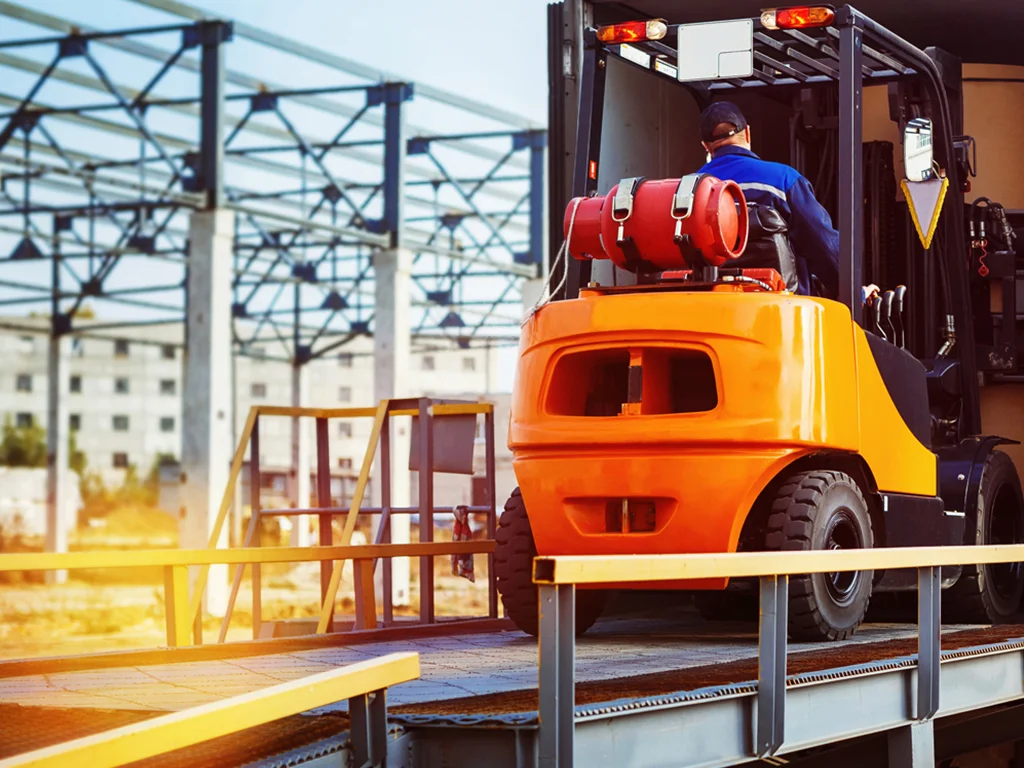
Sample of Vanning
Sample of Container Vanning
Hazardous cargo covered by the IMDG Code
At our company, we specialize in handling not only standard cargo but also Dangerous Cargo Shipping. We understand the importance of transporting hazardous materials in compliance with the IMDG Code, making us your trusted partner for Dangerous Cargo and Goods Shipping.
Our team's expertise extends to verifying booking information, reviewing the necessary export documentation, and meticulously planning on-site logistics. We follow stringent criteria to ensure a smooth and hassle-free operation for our customers, especially when dealing with the complexities of hazardous cargo.
Rest assured, our commitment to safe and compliant transportation of dangerous goods distinguishes us as a reliable choice for all your container shipping needs. Your peace of mind is our priority, and our dedication to the highest standards sets us apart in the industry.
1. International Maritime Dangerous Goods (IMDG) Classes
Dangerous Goods classified into 9 different classes according to are IMDG codes
- Class 1 – Explosives
Substance like Arms & Ammunition, Fireworks, Party Poppers, Cartridge & Pyrotechnic etc. - Class 2.1 – Flammable gases
Substance like Aerosol, Lighters, Liquified Gas, Acetylene (For welding) Ethylene (for ripening fruits), Hydrogen (For Industrial use) etc.
Class 2.2 – Non-flammable, non-toxic gases
Substance like Fire Extinguishers, Refrigerant Gas , Carbon di oxide( For Soft drink dispensing machine, Helium & Argon) etc.
Class 2.3 – Toxic gases
Substance like Chlorine, Ammonia (for industrial Freezing), Methyl bromide & Ethylene oxide (for fumigation) etc. - Class 3 – Flammable liquids
Substance like Paint, Varnish, Perfumery products, Adhesives, Resin solution, Printing ink, Dry cleaning fluids etc. - Class 4.1 – Flammable solids
Substance like Matches, Sulphur Powder, Camphor, Naphthalene (balls), Paraformaldehyde, Borneol etc.
Class 4.2 – Spontaneously combustibles
Substance like Phosphorus, Copra, Fish meal etc.
Class 4.3 – Dangerous when wet
Substance like Calcium Carbide, Sodium, Ferrosilicon and Potassium metals. - Class 5.1 – Oxidizing substances
Substance like Calcium hypochlorite, Hydrogen per oxide, Fertilisers Potassium Nitrate & Ammonium Nitrate, Hair colouring etc.
Class 5.2 – Organic peroxides
Substance like Hardeners, Fiberglass repair kit. - Class 6.1 – Toxic substances
Substance like Arms & Ammunition, Fireworks, Party Poppers, Cartridge & Pyrotechnic etc.
Class 6.2 – Infectious substances
Substance like Blood sample, Biological product derived from living organisms etc. - Class 7 – Radio active material
Substance like Pesticides, Sodium Cyanide for Metal treatment, Chromium Salt for electroplating & Tolune Diisocyanate etc. - Class 8 – Corrosive substances
Substance like Dishwasher tablets, Acetic acid, Citric Acid, Caustic soda, Car & Truck Batteries etc. - Class 9 – Miscellaneous dangerous goods
Substance or article have dangerous properties not covered by classes from 1 to 8.
2. Packing Group
Levels of risk involved in the transportation Dangerous Goods differs according to how a shipment is packed
- Packing Group I - Substances presenting a high danger
- Packing Group II - Substances presenting a medium danger
- Packing Group III - Substances presenting a low danger
3. Proper shipping name (PSN)
It is essential to use the appropriate PSN when declaring your cargo, according to IMDG code. For example:
- UNNO 1266, Channel no.5 - incorrect
- UNNO 1266, PERFUMERY PRODUCTS – correct
4. Export Documentation
In order to ship of hazardous cargo, we will require of following documents from shipper
5. Material Safety Datasheet (MSDS)
In Japan, material safety data sheets (MSDS) are provided by the manufacturers, importers, or distributors of hazardous substances and chemicals
6. Dangerous Goods Declaration (DGD)
Dangerous goods declaration (DGD) is typically provided by the shipper or FWT logistics as nominated freight forwarder. FWT will prepare the necessary documentation for the transport of dangerous goods, including the DGD which will provide detailed information about the dangerous goods being shipped, such as their nature, classification, packaging, and handling instructions. Additional in certain case we may also require the following
7. Weathering Certificate
In Japan, weathering certificates are provided by various organizations and companies that specialize in conducting weathering tests and issuing certificates for products. Here are a few well-known entities in Japan that offer weathering certification services:
- Japan Weathering Test Association (JWTA)
- Japan Chemical Industry Association (JCIA)
- Japan Paint Inspection and Testing Association (JPITA)
- Japan Testing Center for Construction Materials (JTC)
8. Certificate of Analysis (CoA) or Competent Authority Approval (CAA) may also be required
In Japan, various entities can provide Certificates of Analysis (CoA) depending on the specific product or industry. Here are some common sources for obtaining CoA in Japan:
- Manufacturers and Suppliers: Companies that produce or supply products, such as pharmaceuticals, chemicals, food additives, and ingredients, often provide CoAs along with their products. These CoAs typically include information about the product's composition, quality, purity, and other relevant specifications.
- Testing Laboratories: Independent testing laboratories play a crucial role in conducting analyses and issuing CoAs. These labs specialize in performing various tests to verify the quality, safety, and compliance of products. They offer testing services for a wide range of industries, including pharmaceuticals, food and beverages, cosmetics, and more.
- Regulatory Authorities: In certain cases, regulatory authorities in Japan may issue CoAs or similar documents. Similarly, the Competent Authority Approval (CAA) is also provided by the relevant regulatory authorities depending on the specific industry or sector.
Special DG Commodities (Class 5.1)
Subject conditions following commodities can be shipped on only if stowed On Deck.
- Dichloroisocyanuricacid sodium salt
- Sodium dihydrate
- Sodium dichloro-s-triazinetrione dehydrate
- Sodium dichloroisocyanurate dihydrate
- Symclosene
- Trichloroisocyanuric acid, dry Troclosene sodium dihydrate
Prohibited for Shipment
Following commodities are prohibited for shipment
- Asbestos
- Calcium Hypochlorite
- Charcoal as dangerous goods
- Dangerous goods class 6.2
- Direct reduced iron
- Divinylbenzene others than UN3532 or UN3534
- Iron Fillings
- Tantalum
- Tantalite
- Thiourea
- Batteries which are damaged, defective or recalled from manufacture are strictly.
- All other types of batteries are accepted * conditions apply